The film and television industry is experiencing something remarkable. What used to take months of post-production work now happens live on set. Directors see entire worlds spring up around their actors. They adjust lighting, weather, and landscapes using simple controls. This isn’t an incremental improvement. It’s a big change in how we create visual content. Generative ICVFX technologies are driving this shift. They blur the line between physical and digital filmmaking.
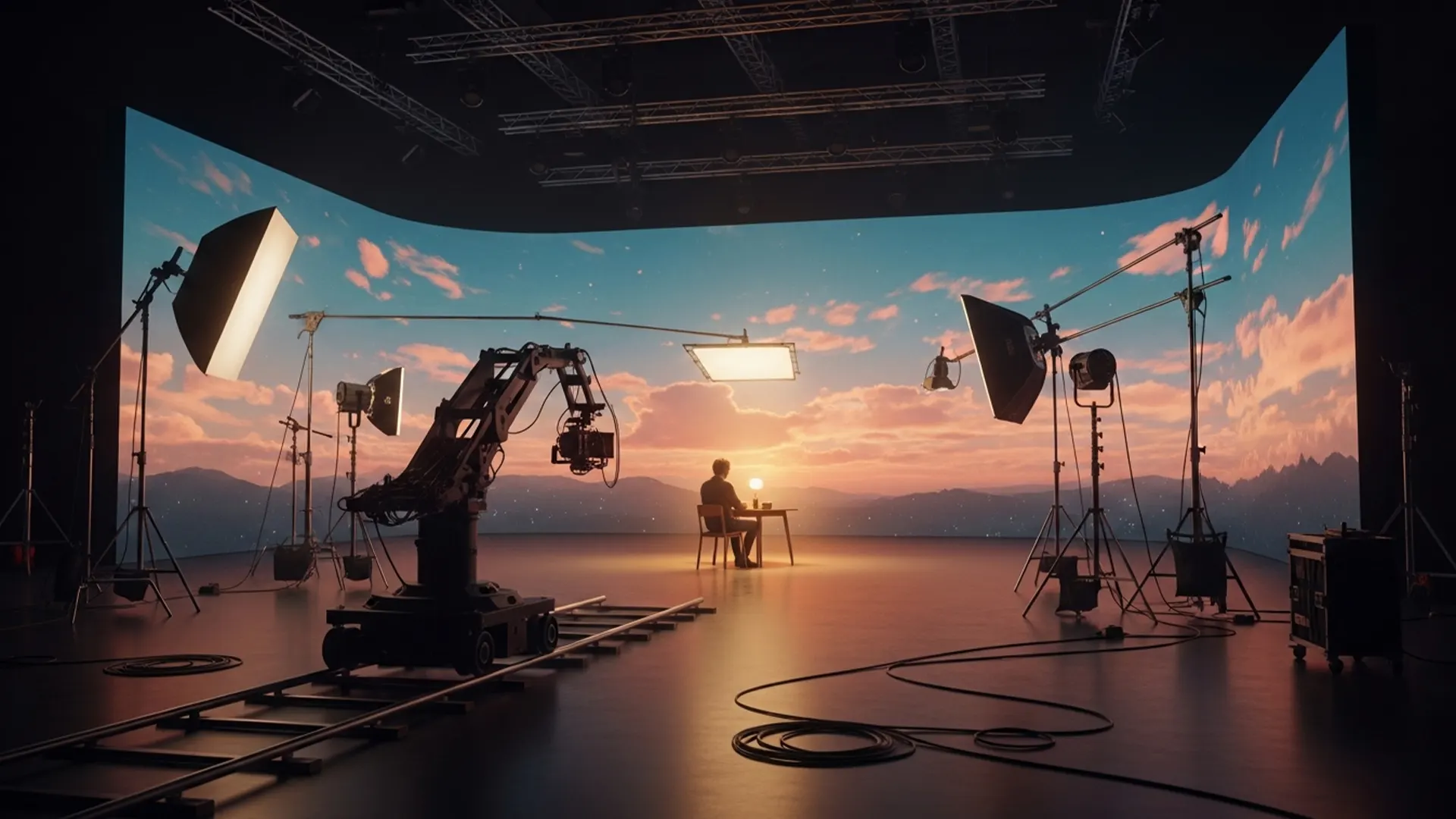
In-camera visual effects changed filmmaking. It replaced green screens with huge LED walls that show realistic environments. Actors don’t pretend anymore. They perform right in the digital worlds, seeing what the audience sees. Productions like The Mandalorian showed that this idea works. They delivered amazing results that felt more real than traditional VFX methods.
Early virtual production environments used pre-rendered content. It looked great but was inflexible. A cinematographer could adjust the sun’s position or change the weather. But someone would need to re-render hours of footage. That process could take days or even weeks. Creative decisions became locked in during pre-production, limiting spontaneity during filming.
Then came the shift toward real-time generative environments. Combining game engines, procedural generation, and AI gives productions unmatched flexibility. Environments adapt:
Terrain reshapes itself to match narrative needs. This responsiveness changed everything about how ICVFX workflows operate.
The transition happened partly because streaming content production trends demanded faster turnarounds. Streaming platforms push rapid content releases, outpacing traditional VFX timelines. Generative systems help studios create more content while keeping quality high. They shift months of post-production into the main shooting phase.
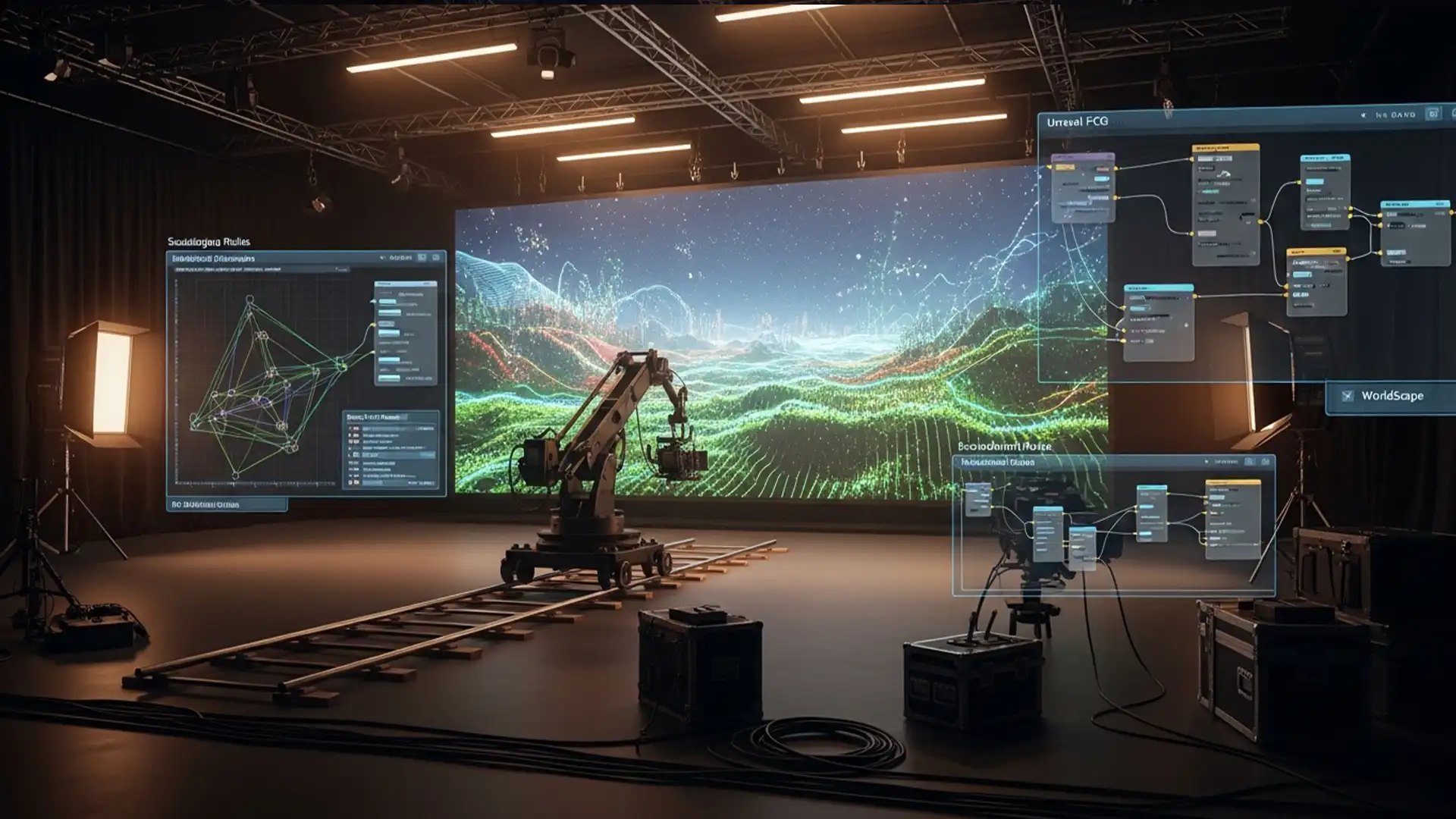
Generative ICVFX creates digital environments that change. They don’t rely on fixed backgrounds. Instead, they use algorithms and AI to create visuals in real time. These systems now play a central role in the modern virtual production pipeline. Several key technologies power these capabilities:
Equipment demands are high, and GPU clusters manage intense compilations. LED walls must have high refresh rates, accurate colors, and clear resolutions.
Generative ICVFX creates on-set real-time environments. They adapt to camera movement and lighting. Productions become faster and cheaper, while directors and cinematographers gain greater creative freedom. Unreal Engine, Unity, and AI tools continue to boost what’s possible. This technology also helps meet the growing demand for faster content cycles.
Real-time scene adaptation eliminates the constraints that plague traditional production methods. A director can switch from clear weather to rain using generative tools. No delays or reshoots. The scene updates right away - rain, wet surfaces, softer light, and haze. This flexibility continues on set. When cinematographers try new angles, the world shifts with them. The camera adjusts reflections, perspective, and lighting in real time. This makes it feel like a window into a vibrant digital world.
The economics become compelling when comparing alternatives. Location shooting includes travel costs, permits, gear transport, lodging, and facing unpredictable weather. Single-day delays can cost tens of thousands of dollars. Virtual production efficiency brings everything into controlled studio environments. Conditions there remain constant yet adjustable.
Cost reduction in film production happens through collapsed timelines. Traditional VFX-heavy productions can take up to 18 months in post-production. They often have big teams working on compositing green screen footage. With generative ICVFX, significant portions of that work happen during principal photography. The footage already contains integrated backgrounds with proper lighting and reflections. Post-production shifts from creation to refinement, cutting both time and labor costs.
The creative flexibility in virtual production changes filmmaking processes. Directors test different settings, times, weather, and effects. They do this without waiting for renders. This immediacy transforms creative work from pre-planned rigidity to exploratory fluidity.
Cinematographers gain unprecedented control. They use virtual lighting control instead of relying on the sun or practical lights. This makes impossible scenes possible. Golden hour can last for hours. They can also mix different times of day in one scene. The dynamic LED content changes right away and displays the final look of the shot.
The technology behind virtual production is evolving fast. Unreal Engine 5 uses Nanite, Lumen, and procedural tools. They create complex worlds in real time and with film-quality detail. Unity’s HDRP offers similar power through its own methods. Both engines now have AI tools. They help with textures, environment variation, and optimization. Tools push real-time rendering to new heights.
The streaming boom created a rush. Platforms now push hard to release new shows fast. They need high volume and high quality faster than traditional methods allow. Generative ICVFX helps compress schedules without losing visual fidelity. Productions that once took two years now finish in 18 months. Crews shoot many episodes in the same LED volume by swapping environments.
Generative ICVFX imposes corporate virtual events. It uses procedural tools, AI, and real-time UE5 rendering. Dynamic lighting ensures every scene looks seamless and immersive.
Procedural environments for LED volumes form the backbone of scalable environment creation. These systems generate complex structures from simple parameters. They create endless variations while maintaining artistic control.
The key procedural technologies include:
These tools let small teams build big, flexible, and detailed virtual worlds.
AI-driven environments add another dimension to generative capabilities. AI tools cannot create full scenes on their own yet. But they already handle many complex tasks in virtual production. They help build and improve virtual environments. Stable Diffusion makes textures, Runway handles video, and style transfer. Also, Luma turns 2D content into 3D assets.
Real-time 3D environments achieving film quality represent the most crucial breakthrough. Unreal Engine 5’s core technologies revolutionized what’s possible during live production.
Essential rendering technologies include:
These real-time rendering tools make virtual scenes look cinematic and respond on time.
Perfect synchronization between physical cameras and digital environments requires sophisticated tracking systems. LED wall reflections and perspective accuracy depend on millimeter-precise position data.
Tracking systems incorporate:
These tracking and mapping systems keep cameras and digital environments in sync.
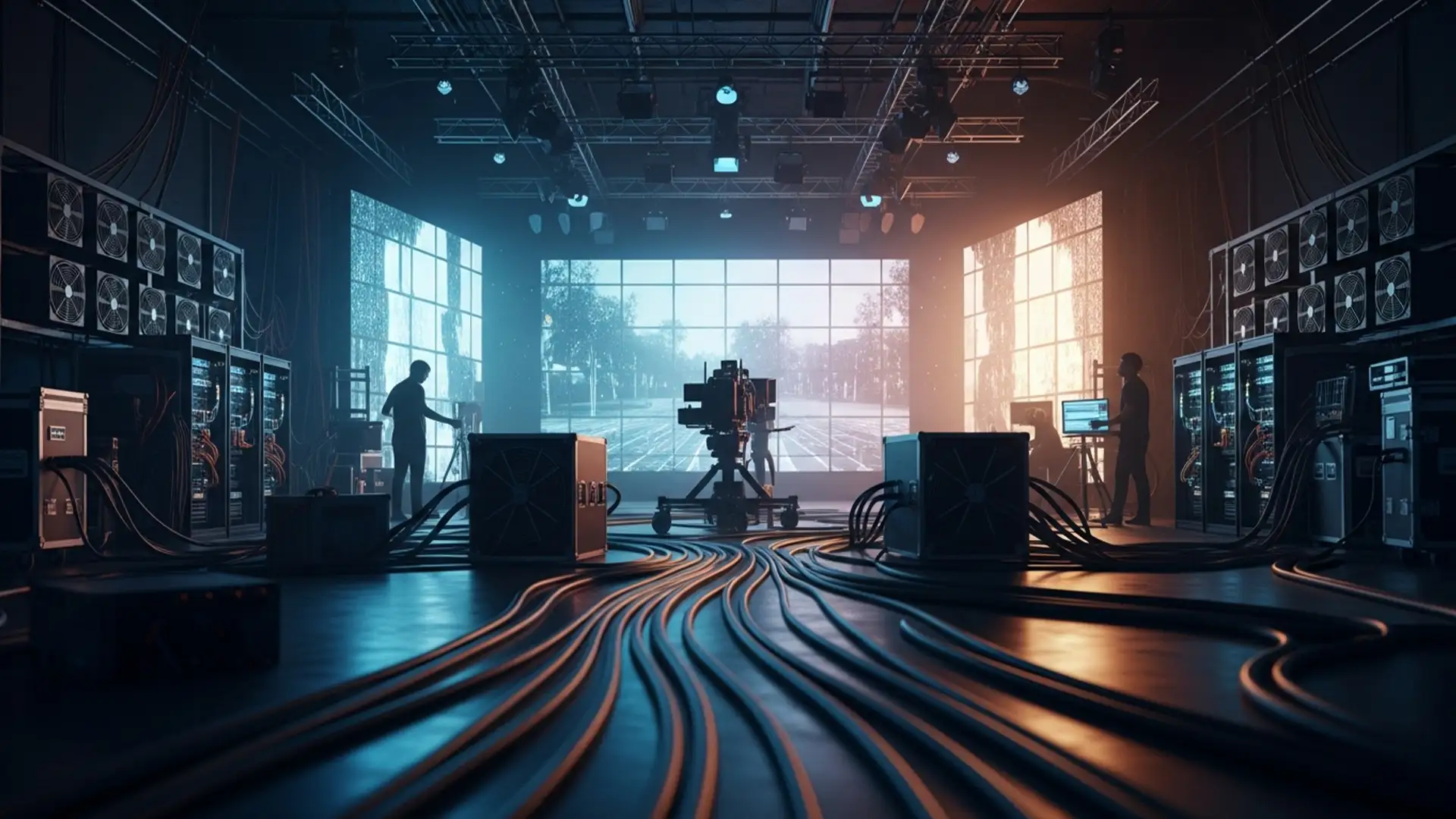
LED wall calibration and dynamic lighting in LED volumes need constant alteration. This ensures photorealistic integration between physical and digital elements. Calibration ensures LED panels and cameras match in color, brightness, and geometry. Real-time color correction and refresh-rate syncing prevent flicker and maintain accurate footage.
Generative environments speed up ICVFX workflows at every stage. In pre-production, teams build and visualize sets in hours. On set, scenes react to cameras, lighting, and actors. LED walls create realistic reflections, and post-production needs less compositing and fewer reshoots.
Pre-production visualization accelerates with generative tools. What used to take weeks for concept art and pre-visualization now takes days or even hours. The transformation helps directors and designers explore different environments. They can also scout locations online. Automated generation and quick iteration help make better creative choices and cost estimates. This happens before building physical sets.
On-stage real-time rendering lets environments react to camera moves. This keeps perspective and lighting right during takes.
Dynamic reactions include:
This real-time responsiveness ensures every shot looks seamless and lifelike on stage.
Achieving convincing integration between actors and digital backgrounds requires sophisticated lighting management. Virtual lighting control ensures physical subjects receive appropriate illumination from digital environments. LED panels enhance photorealism. They create realistic lighting and reflections on actors, props, and sets. Directors can make real-time adjustments. They tweak mood, atmosphere, and color to fit virtual environments.
Reduced post-production represents the most significant workflow improvement. When footage comes off set with good backgrounds, traditional VFX timelines fall apart.
Post-production changes include:
These advantages make post-production faster, easier, and more efficient.
Generative ICVFX comes with significant challenges. It requires powerful GPUs, large LED walls, and high-bandwidth rendering. AI assets can be unpredictable. Integrating is complex, and we need specialists. Legal issues persist. Also, LED panels have technical limits.
Despite advantages, significant technical hurdles remain. Real-time rendering at film quality needs a lot of resources. Many productions can’t afford these big investments. Key hardware challenges include:
A large studio space is also required to accommodate LED volumes.
AI-driven environments are promising. But we can’t rely on generative AI for key production tasks due to current limitations.
AI restrictions include:
For now, human oversight remains essential when using AI in production.
Achieving seamless synchronization between all system components demands expertise and careful calibration. Even small misalignments become obvious in the final footage. Integration is challenging due to latency, precision, and reliability requirements across many systems. Troubleshooting is complex, and redundancy needed for safety adds both cost and complexity.
The legal status of AI-generated content is unclear. This uncertainty affects productions that depend on these tools. AI-generated content raises legal issues like copyright, ownership, and licensing. These problems come from using protected works for training. Liability and insurance issues arise when underwriters assess risks in AI-based production workflows.
Virtual production pipelines need filmmaking skills. They also need technical knowledge of game engines and real-time systems. Hybrid experts are rare. This includes VP supervisors, real-time artists, camera-tracking specialists, and AI engineers. Training existing crew is expensive and takes a long time.
Generative ICVFX takes virtual production further. It removes old limits and opens up fresh creative possibilities. It swaps static assets for dynamic, responsive setups. This change transforms what can happen on set. Directors can make creative changes in real-time. Cinematographers gain better control over lighting and atmosphere, beyond physical locations.
The technology solves practical problems, too. Demand for faster content cycles means faster production. Shoot more, edit less, finish sooner. Together, these advantages solve major business pressures in today’s industry.
The direction is unmistakable. As costs drop and skills spread, generative ICVFX will become a standard toolset. This shift may soon feel as fundamental as the move from film to digital. The real question is how productions of all sizes will gain access. For storytellers, generative environments promise greater freedom, efficiency, and creative possibility.